This conventional katana remains a remarkable piece of craftsmanship, but assume you need to manifest your distinct design? Modifying your instrument is a deep journey, allowing you to construct a truly one-of-a-kind piece. From the shaft wrapping and sheath to the protector design and heat mark, each feature offers a chance for personalization. This examination delves into the field of katana alterations, providing knowledge for both rookies and skilled enthusiasts searching to leave their footprint on the long-standing art of the samurai.
1060 Steel Katanas: The Beginner's Legitimate Mastery
For those prepared to embark on the enriching journey of samurai sword fighting , 1060 steel katanas furnish an first-rate entry point. This particular grade of elemental steel finds a ideal mix between low price and functionality . While less than hard as elite steels, 1060 accommodates a reasonable level of honing , making it ideal for starters to cultivate the groundwork of sword maintenance and enjoy the grace of genuine Japanese weaponry. It’s a superb choice for establishing experience without the fiscal burden of more elite steels.
T Gear Steel Weapons : Combining Potency and Reasonableness
Satisfying enthusiasts seeking an authentic katana experience without breaking the bank , T10 steel katanas represent a advantageous option. These implements offer a considerable improvement in lastingness compared to inferior alternatives, exhibiting sufficient edge retention and tolerable flexibility for elementary cleaving techniques. While not rivaling the premium characteristics of more refined steels like T100 or folded steel , T10 provides a effective blend of capacity and budget-friendly nature , making them a sought-after choice for novices and those on a tight budget .
Beyond the Sharpness : Adjusting Your Blade's Adornments and Tsuka
Considering the buffed sword is undeniably the central point of a katana, truly enriching its appeal lies in the thoughtful customization of its fittings and grasp . This procedure allows enthusiasts to manifest their one-of-a-kind taste . Weigh the extensive possibilities: menuki - decorative decorations that bring visual interest ; the hamon sheaths – often carefully engraved ; the tsuka nucleus itself, wrapped in classic ito rope ; and the fusa butt cap , which can be constructed from various elements like valuables or ivory .
- Select designs that resonate with you.
- Explore with different ingredients .
- Prioritize superiority for a lasting influence .
Ultimately , customizing these features transforms a beautiful weapon into a authentically one-of-a-kind work of expression .
The Love of the Katana: Antiquity, Formation, and Composition
The katana retains a incomparable allure, steeped in ages of oriental history and ancestry. More than merely a implement of fighting , it's a figure of the bushi ethos – a fusion of dexterity and rule. Its evolution spanned multiple generations, with early swords evolving into the sophisticated curvature and effective edge we know today. The workmanship involved is truly impressive , requiring years of study to excel at . The process involves a sophisticated folding of metal bloom, creating layers that improve the cutting edge’s flexibility and hacking ability. Assorted schools of forging emerged , each with their specific secrets and procedures for achieving the exceptional steadiness and sharpness - a truly arduous pursuit.
- Primitive Katana types
- The part of the cutting armament in soldier culture
- Established processing methods
Selecting the Ideal Steel for Your Japanese Sword Project: 1060 vs. T10
Deciding on the suitable steel is remarkably important for any blade project, and the selection between 1060 and T10 can be challenging. 1060 is a widely used American alloy, offering a reasonable balance of strength and resilience, allowing it fairly wakizashi easy to heat treat. However, T10, a Japanese steel, commonly boasts exceptional wear permanence and can probably achieve a superior definitive hardness, although it can be markedly troublesome to process and requires precise heat refinement. Consider your qualification and expected benefits: for a rookie, 1060 may be a easier starting point, while the master smith might choose the augmented features of T10.
- Convenience of Working
- Endurance
- Decisive Rigidity
Accessing Excellence: Progressive Katana Alteration Approaches
Refining the technique of katana adjustment extends far beyond basic polishing. Serious connoisseurs are now examining advanced techniques to truly unlock a blade's hidden potential. This demands intricate work with the quenching mark, utilizing specialized materials for differential condition and carefully picking the design of the defense plate to optimize balance and handling. Beyond purely functional tweaks, artisans are increasingly focused on attaining unparalleled aesthetic appeal, through complex cutting and layered coatings that truly transform a katana into a artistic composition.
Forging a 1060 Katana: From Raw Metal to Masterpiece
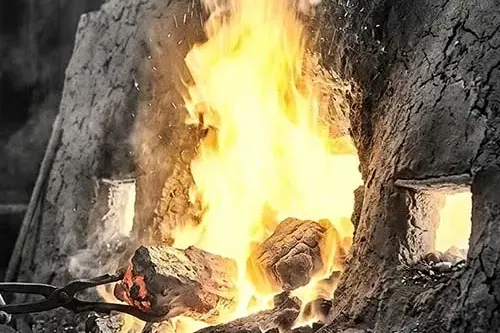
The journey originates with ordinary 1060 compound , a tough material far separated the refined katana it will turn into . Skilled bladesmiths practice a multifaceted process of doubling and constructing the base steel, repeatedly tempering it and pounding it to clear impurities and create a steady grain structure. This arduous process, often enduring for stretches , builds the important toughness and malleability characteristic of a true Japanese saber . Later heat processes , including exact hardening and setting , are vital to achieve the sought-after proportion of sharpness, durability and grace .
- Combining: Diminishes impurities and creates grain structure.
- Molding: Molds the steel into the initial blade form.
- Hardening: Determines the final hardness and flexibility.
The Enduring Appeal of the Katana: A Deep Dive into Steel and Customization
An historic katana holds present a intense symbol denoting Japanese heritage , its fascination far exceeding mere armaments . Forged from rare steel and habitually featuring intricate trims, the process of creation itself is a sacred art. Beyond the basic craftsmanship, the ability to modify a katana - from the blade pattern to the grip wrapping and clasp - opens for a perfectly individual representation for both devotees and followers alike. This blend of long-established steelwork and boundless personalization causes the katana's continued popularity across the globe .

Comments on “Should a 1060 steel katana be positioned as the upgrade from stainless wall hangers?”